

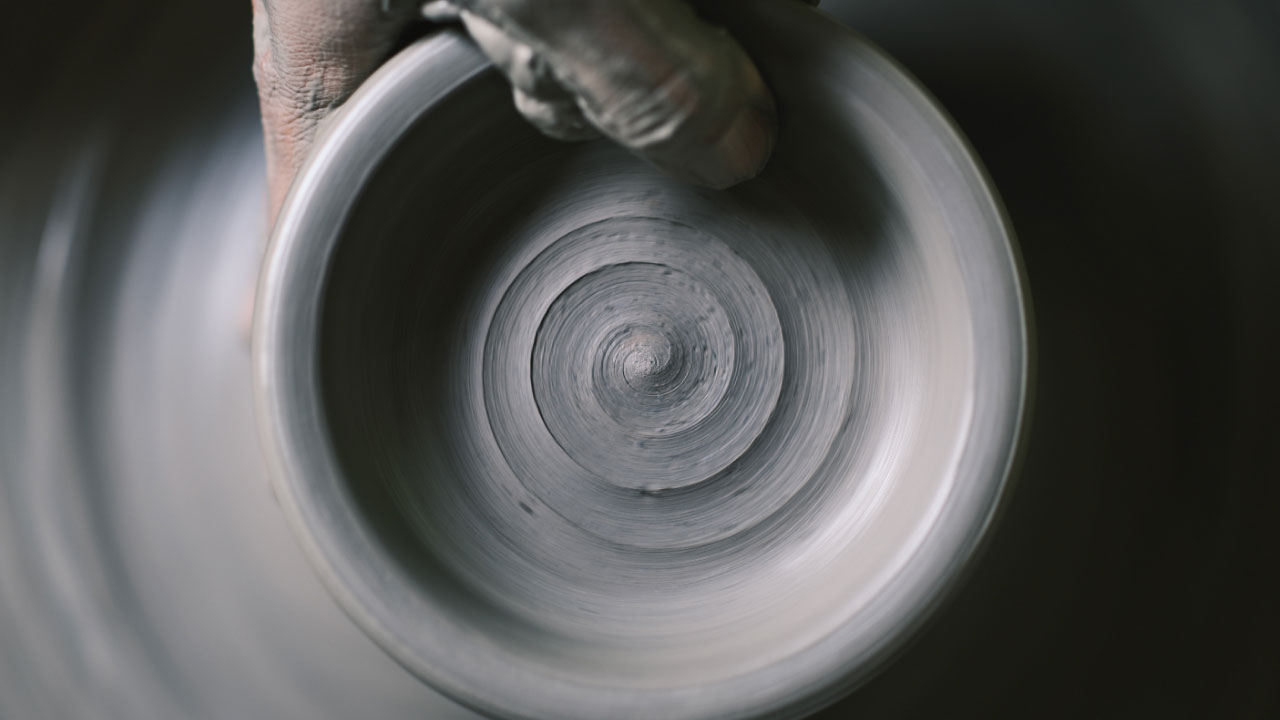
Japan has a long and rich tradition of craft, embodied in practices such as pottery, urushi (Japanese lacquer), and metalworking that span millennia. The exhibition “JAPAN CRAFT | Art for Living – Hyakkō” shifts the focus from craft as historical tradition, to craft as a living, evolving practice embedded in contemporary everyday life.
Presented by JAPAN HOUSE Los Angeles, “JAPAN CRAFT | Art for Living – Hyakkō” opens on Friday, November 6, 2026. Shifting perceptions of Japanese craft from historical masterworks to a living, evolving daily practice, the exhibition brings together approximately 2,000 works by 123 living makers, craftspeople, and artisans. Curated by Ryohin Keikaku Co., Ltd., the company behind MUJI, the exhibition spans a wide range of materials and techniques, including ceramics, glass, wood, leather, metal, and bamboo.
What is Hyakkō?
Hyakkō (百工) is a term exhibition curator, Nagata Takahiro uses to define the diverse works presented in this exhibition: hyaku (百), meaning “one hundred,” extends here to suggest “many kinds” or “countless,” and kō (工) refers to “craft,” understood broadly as people, practice, and the objects that result. Together, hyakkō speaks to the sheer diversity of individual makers and methods on view—no two works, and no two paths to making them, are ever quite the same.
The exhibition’s central focus is craft for everyday life. The collection highlights functional objects rather than decorative display pieces, framing craft as an ongoing relationship between the artisan, their life, environment, and materials. Works are presented not as finished statements of skill but as evidence of the creator’s innovation and self-expression, carrying the irregularity, chance, and quiet transformation inherent in the handmade. This lens draws on distinctly Japanese sensibilities, including an appreciation for beauty in imperfection and poignancy in transience, while resisting any sense that contemporary Japanese craft is static or purely historical.
The Japanese mingei (folk craft) movement of the 1920s emphasized the beauty of ordinary, utilitarian objects and placed value on the aesthetic qualities of works made by unknown craftspeople. A mingei craft object could be understood as relatively anonymous: its beauty arose from tradition, utility, material and collective knowledge rather than individual artistic expression. This exhibition, framed by its Japanese title Hyakkō, represents a significant shift. It retains the mingei value of ordinary objects and everyday beauty but places the individual maker back into the picture.
Explore the Exhibition
“JAPAN CRAFT | Art for Living – Hyakkō” is organized in four distinct parts, each offering visitors a different way to engage with these ideas and discover the broad range of Japanese craft.
Part 1 | Forms of Hyakkō
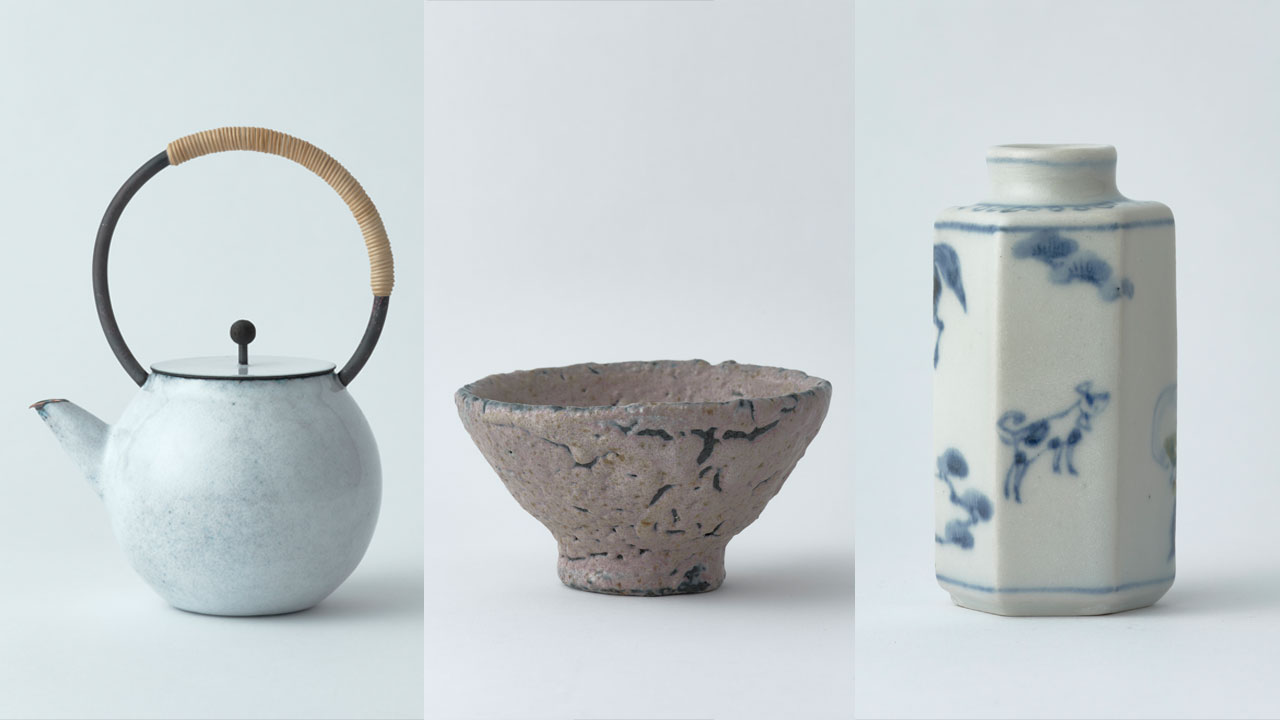
At the entrance to the gallery, the opening section Forms of Hyakkō introduces the fundamental forms of Japanese craft through the vocabulary of vessels, pairing the vessel names and descriptions with representative works from the exhibition—among them wan (bowls), kyūsu (teapots), and kaki (flower vessels). Before visitors encounter the full breadth of the collection, this section offers both a way of seeing the utility and aesthetics embedded in objects of daily life, and a preview of the multitude of forms and makers to come.
Part 2 | Outlining Hyakkō
In the transition area to the main gallery, Outlining Hyakkō will channel visitors from these basic forms into the more subtle framework of Japanese perspectives on craft through a video, text installation, and interpretive essays. Together, these serve as a guide to enjoying the artworks in the exhibition, and as gentle acts of translation that may lead to new ways of seeing and understanding this culture of craft.
A monolithic pedestal presents a selection of descriptive words that float within the world of Hyakkō, as well as serving as a bench for visitors to relax and view an atmospheric video. The video offers a quiet exploration of the relationship between environment, material, creation, and daily life among selected artisans in the exhibition, accompanied by four contemporary essays contemplating the depth and breadth of Japanese craft.
Featuring voices from diverse craft sectors, four interpretive essays explore personal perspectives on the essence of “Japanese craft.”:
- Philosopher Kurata Takashi contemplates the mingei approach to craft as something “born, not made,” emerging from the interaction of people, materials, tradition, and climate.
- Gallerist Sakamoto Dai‘s essay calls attention to the value of hieta (quiet refinement), an aesthetic quality associated with wabi-sabi, and recounts how artists in the exhibition inheriting similar traditional aesthetic sensibilities ultimately reshape them for the present.
- Design professor Nakamura Masahiro proposes design as a fundamental human act, continued to be shaped locally even as civilization moves toward universal systems.
- Artist Nakamura Yūta meditates on the breadth of Japanese craft, from refined artisanship to the humble, ordinary objects of the everyday shaped by use, circumstance, and human connection.
The exhibition video becomes a window through which visitors glimpse a holistic view of the makers’ practices—poetic scenes trace their hands, surroundings, and routines; reflecting local environments, personal histories, and changing ways of life. These intimate portraits reveal not only how the makers create, but how their life and work are inseparable from the rhythms and needs of daily life. Their works embody purposeful design while incorporating their creativity and individuality, becoming expressions of Art for Living.
Part 3 | Main Gallery
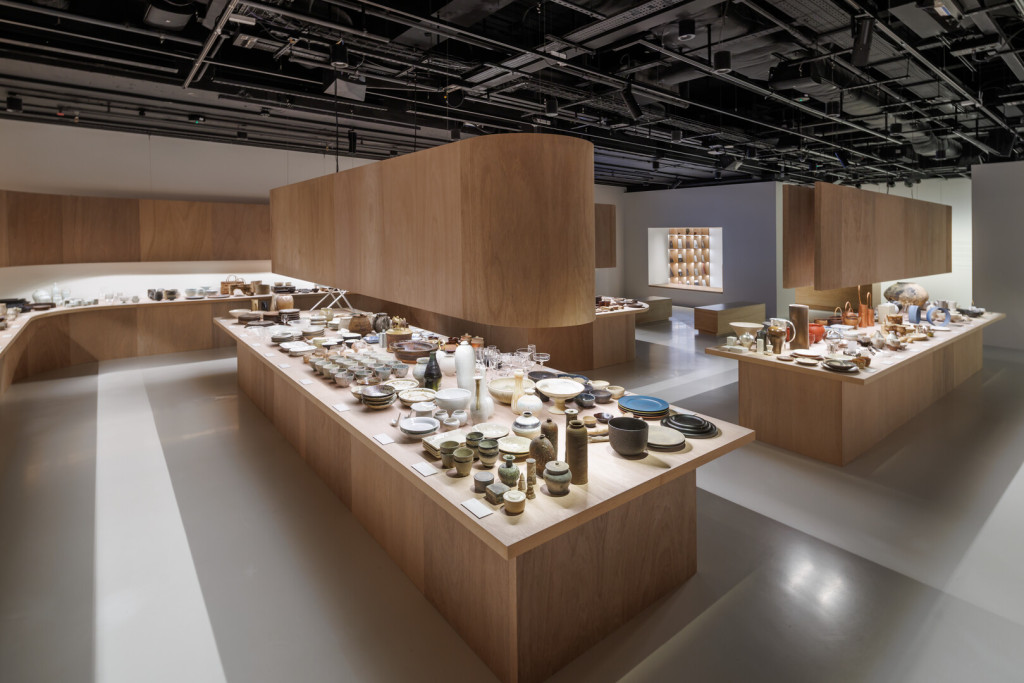
Stepping into the main gallery, visitors encounter the exhibition in its full scope: approximately 2,000 artworks by 123 makers. Rather than defining Japanese craft through established categories of place or tradition, the exhibition presents a broad view of its diversity. Different practices, materials, environments, and ways of life are brought together, revealing Japanese craft not as a relic of the past, but as a living culture that continues to evolve.
Part 4 | Library (Levels 2 & 5)
For visitors who want to go deeper, JAPAN HOUSE Los Angeles will activate both our “mini library” in the gallery and our Level 5 library with craft-related books and the publication from the original exhibition presented in 2023 at ATELIER MUJI GINZA (Tokyo), as well as a select set of Japanese craft objects from the exhibition to share with visitors for close-up viewing and a detailed introduction to the artist’s practice.
“JAPAN CRAFT | Art for Living – Hyakkō” offers not only an introduction to contemporary Japanese craft for American audiences, but also an invitation to reconsider our own relationship with the everyday objects that shape our lives.
Topic-Related Readings
Zakka Style | Japan’s Coziest Aesthetic
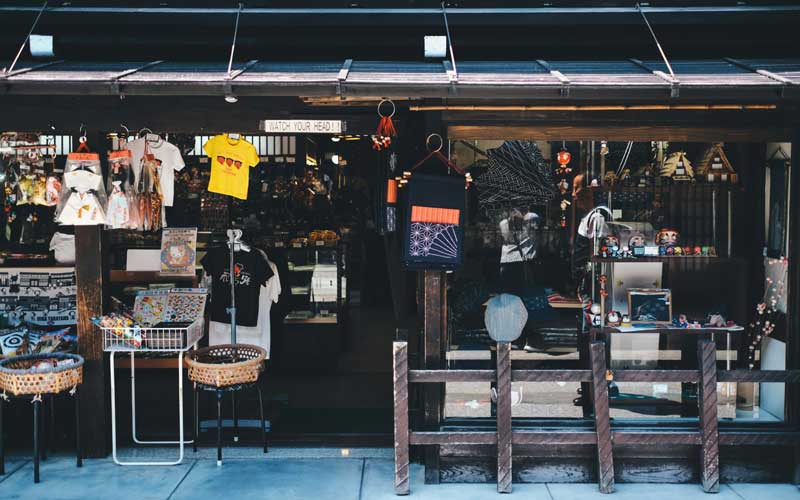
Characterized by handcrafted texture, vintage patina, and emotional attachment to humble objects, discover how zakka grew from a postwar term for household sundries into a full-blown aesthetic movement, one that connects to deeper Japanese ideas about imperfection, daily ritual, and the joy of connecting with simple objects.
The Magic of Kogei | Spotlight on Five Craft Artists
Kogei describes a diverse range of Japanese craft and design techniques honed over time and reinvented in vibrant ways by contemporary practitioners. From lively ceramics to intricate metalwork and lacquerware, brightly dyed textiles to woodcarving practices from Hokkaido, read about kogei types used today in modern art.
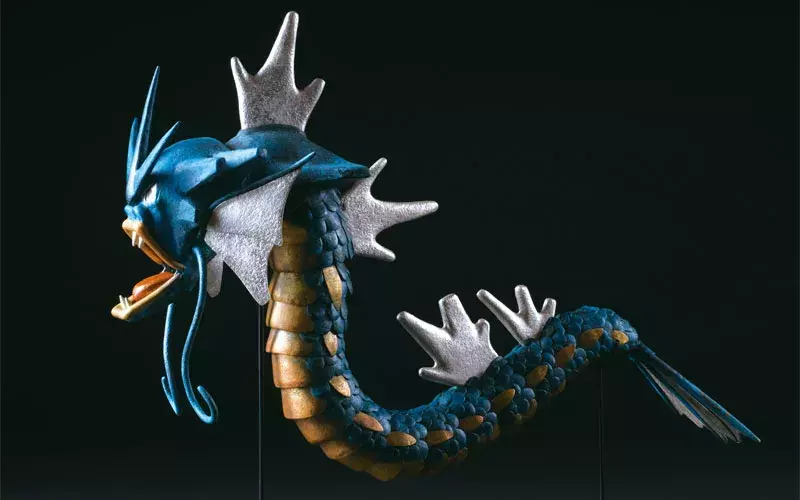
Articulated Gyarados, 2022 | Haruo Mitsuta | Photo by Taku Saiki
Note: Japanese names in this exhibition are written in the traditional Japanese order, with the family name first and personal name last.
Exhibition Brochure
The exhibition brochure is available for download.
Exhibition Credits
Presented by
JAPAN HOUSE Los Angeles
Organized by
Ryohin Keikaku Co., Ltd. (MUJI)
Exhibition Design
ya
Graphic Design
Hashizume Fuyuki
Photography and Video
Ohara Shinsui
Music
Kokido Hiroshi
Exhibition Display Production
HIGURE 17-15 cas
Supported by
panorama, Yamada Photo Process Co., Ltd.


